Creating a well-organized home office is key to boosting productivity and keeping stress levels down. Whether you work from home full-time or occasionally need a dedicated space for tasks and projects, an orderly workspace helps maintain focus and motivation. In this post, we’ll share simple tips you can use to organize your home office for better productivity.
Why Organize Your Home Office?
A cluttered workspace can affect your ability to concentrate and hinder your workflow. On the other hand, a tidy and efficient office setup makes it easier to find what you need, stay on task, and enjoy your work environment. Organizing your home office is not about perfection—it’s about creating a functional space tailored to your daily needs.
Start with Decluttering
Clear Your Desk and Surroundings
Begin by removing everything from your desk and nearby surfaces. Sort items into three piles: keep, relocate, and discard. Get rid of anything you no longer use or that doesn’t belong in your office. Keeping only essentials within arm’s reach helps minimize distractions.
Organize Paperwork
Paper clutter is a common problem in home offices. Sort through documents, keeping only what’s necessary for your current work. Use labeled folders or a filing cabinet to store important papers. Consider digitizing files to reduce physical clutter and make retrieval easier.
Optimize Your Desk Setup
Choose the Right Desk and Chair
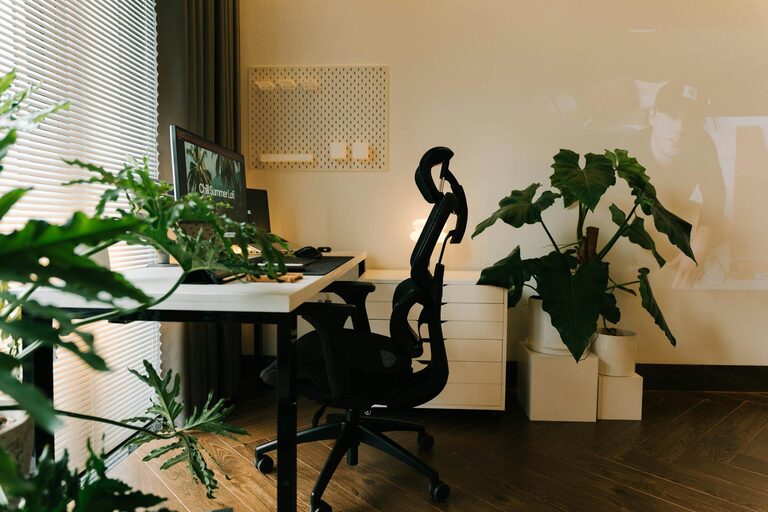
Select a desk that fits your space and offers enough surface area for your work essentials without overcrowding. Pair it with an ergonomic chair that supports good posture to keep you comfortable during long hours.
Prioritize Frequently Used Items
Arrange your most-used tools—like your computer, notebook, pens, or phone—within easy reach. This reduces time spent searching and keeps you focused.
Use Desk Organizers
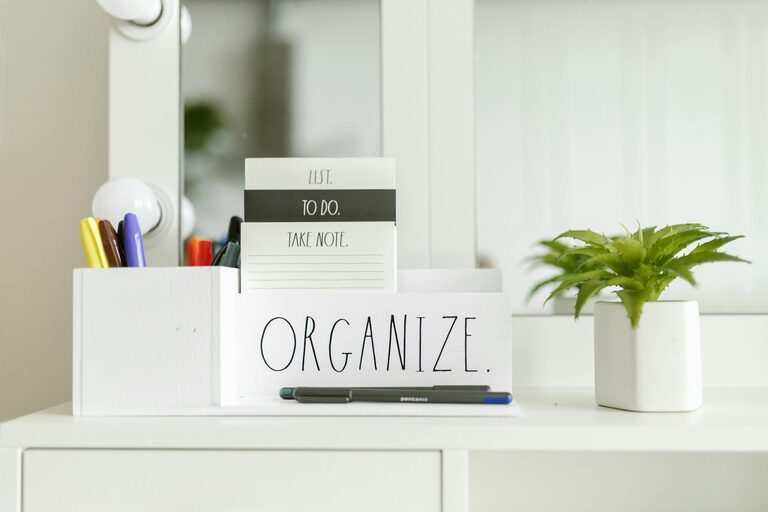
Invest in desk organizers such as trays, pen holders, and drawer dividers. These help keep small items neatly stored and prevent them from scattering across the workspace.
Improve Storage Solutions
Utilize Vertical Space
Wall-mounted shelves or pegboards are excellent for maximizing storage without taking up floor space. You can keep books, supplies, and inspirational items visible but off your desk.
Add Cabinets or Rolling Carts
If space allows, cabinets and rolling carts provide additional storage for larger items and frequently used documents. Rolling carts offer flexibility as they can be moved around your office.
Label Everything
Labels make it easy to find and return items, keeping your system consistent. Use clear labels for boxes, drawers, and shelves to streamline organization.
Manage Cables and Electronics
Hide and Secure Cables
Cluttered cords not only look messy but can also get tangled or cause accidents. Use cable clips, sleeves, or under-desk trays to keep cords organized and out of sight.
Set Up a Charging Station
Designate a spot for charging your devices so they have a consistent home and cables are controlled.
Create an Inspiring Environment
Incorporate Personal Touches
Add a few personal items like photos, plants, or artwork to make the space inviting and motivating without overwhelming it.
Enhance Lighting
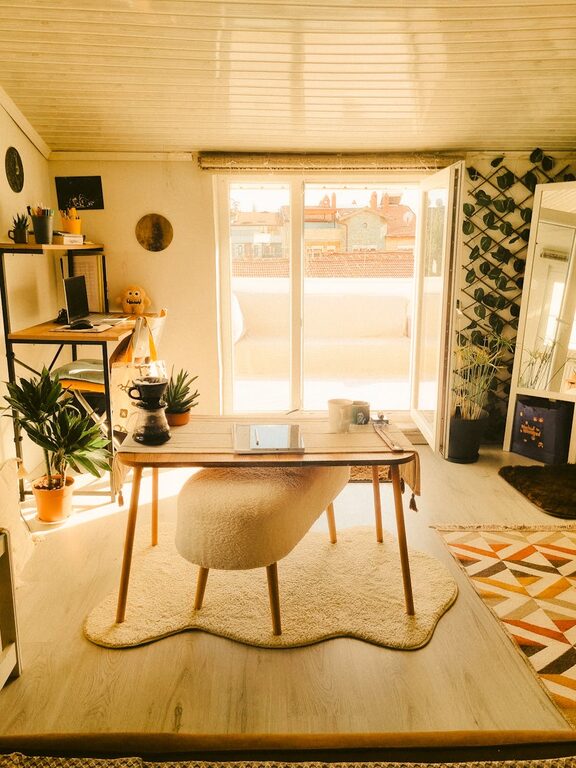
Good lighting reduces eye strain and sets a pleasant mood. Use natural light when possible and supplement with adjustable desk lamps.
Maintain Air Quality and Comfort
Keep your home office well-ventilated and at a comfortable temperature to avoid distractions that come from discomfort.
Establish Daily Habits for Organization
End Your Day with a Workspace Reset
Spend a few minutes tidying your desk at the end of each workday. Clear paperwork, put tools back in place, and prepare a to-do list for the next day.
Schedule Regular Deep Cleanings
Once a week or month, dedicate time to a more thorough clean-up and reorganization. This helps prevent buildup of clutter and keeps your office efficient.
Final Thoughts
Organizing your home office is an ongoing process, but even small changes can make a big difference in productivity. By decluttering, optimizing your setup, and maintaining daily organization habits, you’ll create a space that supports your work and well-being. Remember, your ideal office is one that suits your style and needs while keeping distractions at bay.
Start with one or two tips today, and you might be surprised how much the right environment can improve your focus and output!
About the Author