
Creating a cozy and functional home office space can make a significant difference in your productivity and overall well-being. Whether you work from home full-time or need a dedicated spot for occasional tasks, setting up an inviting and efficient workspace is key. In this post, we’ll explore practical tips to help you design a home office that balances comfort with functionality.
Why a Cozy and Functional Home Office Matters
When your workspace feels comfortable, you’re more likely to enjoy your work and stay focused. A functional setup reduces distractions and supports good posture, while cozy elements add warmth and personality. Together, these features can positively impact your motivation and reduce stress.
Choose the Right Location
Consider Natural Light
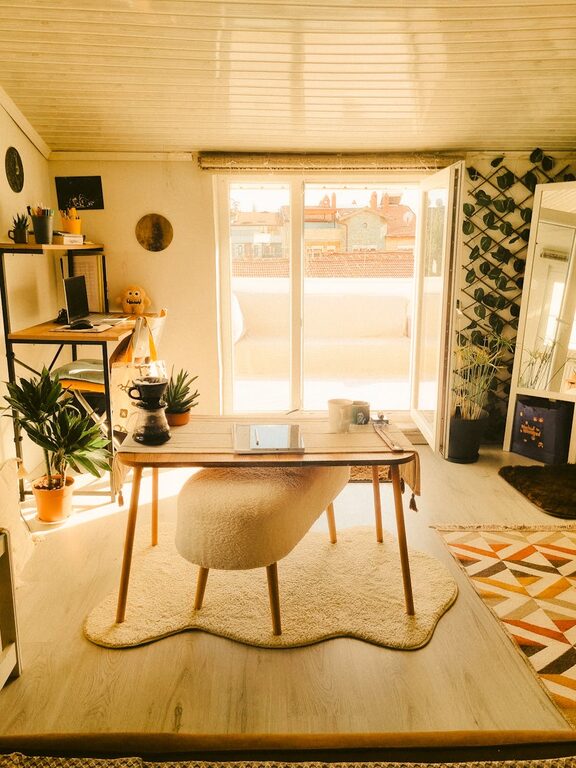
Try to position your desk near a window to take advantage of natural daylight. Sunlight boosts mood and energy levels, making your work hours more pleasant. If natural light is limited, invest in adjustable desk lamps with warm bulbs to mimic daylight.
Minimize Noise and Distractions
Select a quiet corner or room where interruptions are minimal. If you can’t avoid noise, soundproofing with rugs, curtains, or noise-canceling headphones can help maintain focus.
Pick Comfortable and Supportive Furniture
Invest in an Ergonomic Chair
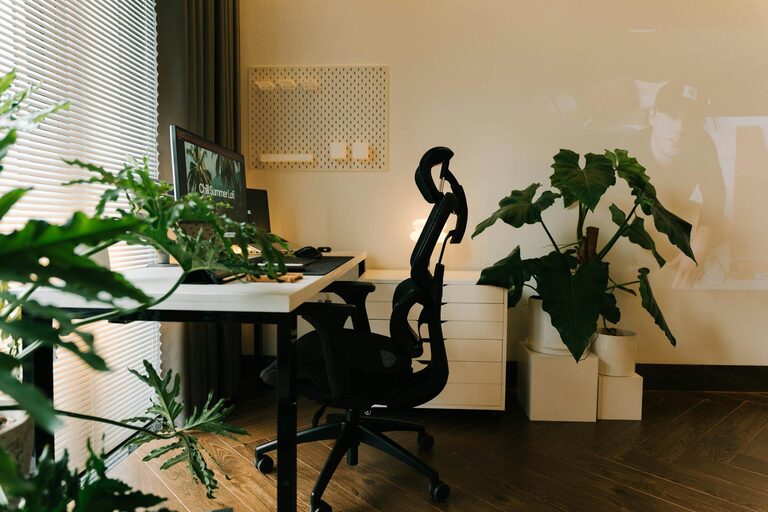
Your chair matters more than you might realize. Choose a chair with adjustable height, lumbar support, and comfortable padding to keep your back healthy during long working hours.
Select a Desk That Meets Your Needs
The desk should offer enough surface area for your computer, paperwork, and any other tools you use regularly. Adjustable desks or standing desks are great options if you want to alternate between sitting and standing.
Organize for Efficiency
Keep Essentials Within Reach
Arrange your workspace so that frequently used items—pens, notebooks, headphones—are close at hand. Use desk organizers or small drawers to keep things tidy without cluttering the surface.
Use Shelves and Storage Solutions
Floating shelves or wall-mounted cabinets save floor space and provide extra storage. Label boxes or files to quickly find what you need and keep your documents organized.
Add Cozy Touches
Incorporate Soft Textiles
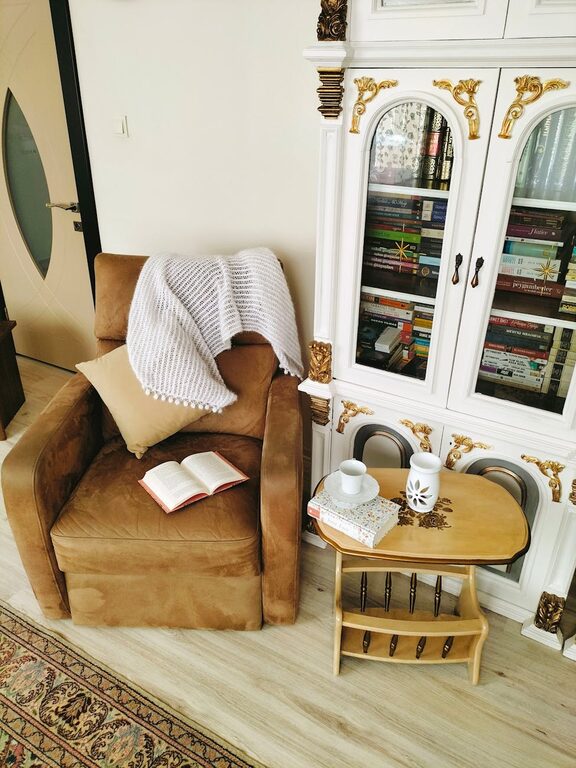
A plush area rug, cozy throw blanket, or textured cushions add warmth and make your office feel inviting. These touches can also reduce echo and noise.
Personalize the Space
Decorate with artwork, plants, or photos that inspire you. Plants, in particular, improve air quality and create a calming atmosphere.
Create Good Lighting
Layer Your Lighting
Combine different types of lighting: ambient ceiling lights, task lamps for focused work, and accent lighting for warmth. Adjustable lighting helps you create the right mood and reduces eye strain.
Avoid Glare
Position your computer monitor to avoid reflections from windows or lamps. Use anti-glare screen protectors if necessary.
Manage Cables and Technology
Use cable organizers, clips, or sleeves to keep cords neat and prevent tangling. A clutter-free desk enhances focus and reduces stress.
Establish a Routine and Boundaries
While this is more about behavior than design, it’s important to set specific work hours and maintain a clear boundary between your home office and personal space. A dedicated, well-arranged workspace supports these habits.
Final Thoughts
Designing a cozy and functional home office is a rewarding project that improves your daily work experience. Focus on comfort, organization, lighting, and personalization to create a space where you feel both productive and at ease. With these tips, you can build a home office that works for you—whether it’s a small nook or an entire room.
About the Author